Call for Consultation
(214) 531-4188

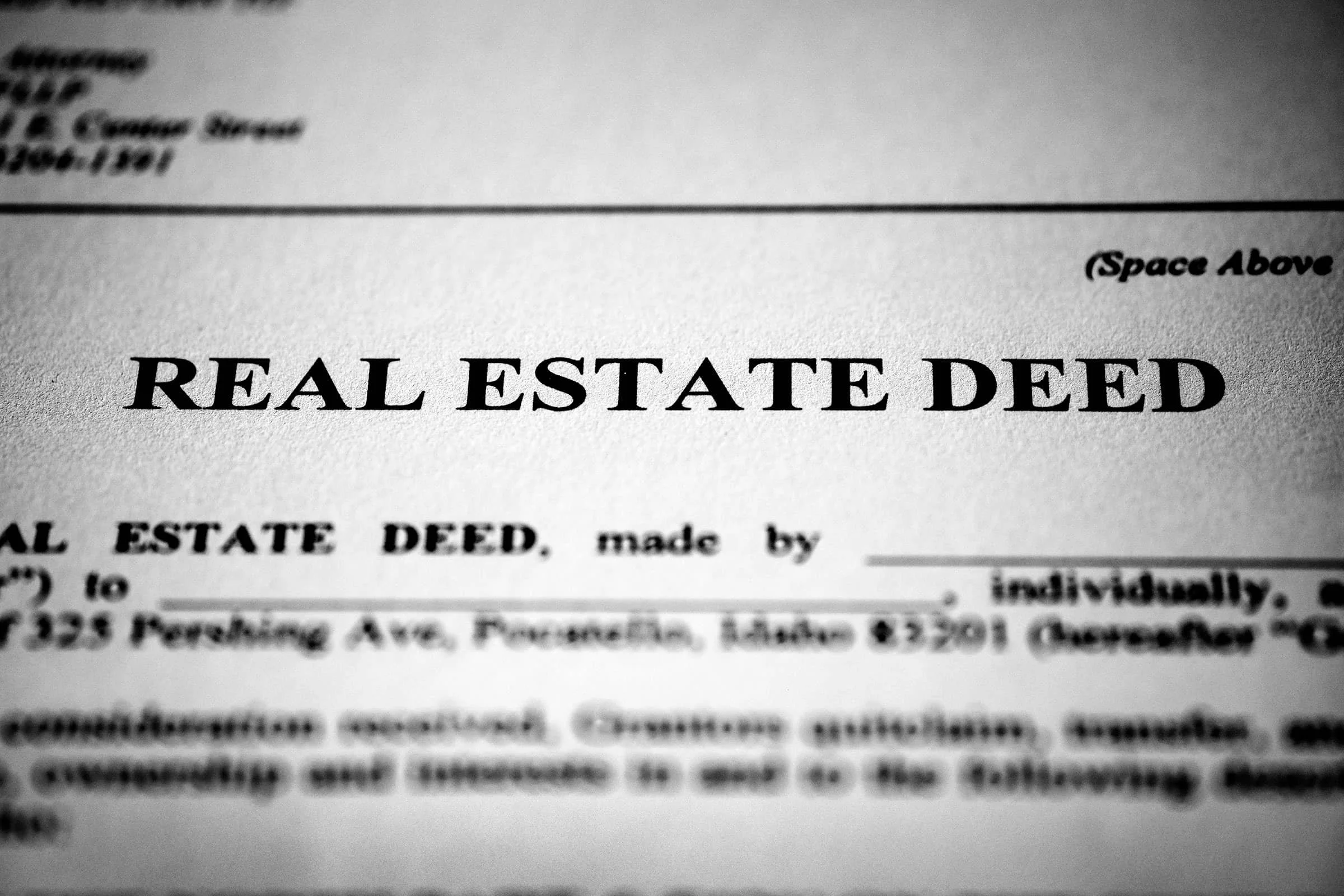
Property Title Disputes
Property title disputes are complex conflicts that arise regarding the ownership and rights associated with a particular piece of real estate. These disputes can occur between various parties, including individuals, organizations, or even government entities, and they often stem from underlying complexities in property law, multifaceted transfer processes, or historical claims that may not be easily understood. Understanding these nuances deeply is essential for any property owner or prospective buyer, as unresolved title issues can lead to significant financial loss, onerous legal challenges, and profound emotional distress.
At the heart of property title disputes lies the critical concept of 'title,' which refers to the legal right to own, use, and manage a property effectively. A clear title affirms the owner’s rights unequivocally and enables them to transfer property freely to others, while a disputed title raises serious questions about who has legitimate ownership, complicating the transfer process and creating uncertainty.
Common Causes of Property Title Disputes
Errors in the Public Records: Mistakes in legal documents, such as deeds or property descriptions, can lead to considerable confusion regarding ownership rights. For instance, a typographical error in a deed could inadvertently transfer ownership rights or misidentify property lines, leading to disputes that could have been easily avoided with careful verification.
Boundary Disputes: These disputes often arise when adjacent property owners disagree on the exact location of property lines. Discrepancies can result from incomplete surveys, neglect of physical boundary markers, or historical claims that haven’t been settled, leading to contentious interactions between neighbors and potentially requiring legal arbitration.
Fraudulent Transfers: In some alarming cases, individuals may attempt to unlawfully transfer the title of a property. This can involve forging signature documents or using false identities to manipulate the transfer process, which can leave the rightful owner vulnerable and bewildered about their legal standing, potentially leading to protracted legal battles.
Liens and Encumbrances: These are claims against a property that can significantly affect its title and complicate matters surrounding ownership. For example, a mortgage lien or a property tax lien can complicate ownership rights, particularly if the debts have not been cleared before a sale, which can deter potential buyers and complicate financial transactions.
Heirship and Probate Issues: Property inherited from a deceased relative can lead to complicated disputes, especially if there is no clear will outlining the division of assets. Complications often arise when multiple heirs claim ownership or when long-lost heirs surface, challenging other claimants and creating rifts within families.
Adverse Possession Claims: In certain jurisdictions, individuals can gain legal title to property through a process known as adverse possession. This means that if a person occupies a property without the owner’s consent for a specific period, they may claim legal ownership, complicating the original owner’s rights and often leading to complex legal proceedings.
Legal Complexities
The legal landscape governing property titles is incredibly intricate, often requiring extensive documentation and strict adherence to local laws and regulations. Property disputes may involve:
Title Searches: This critical process involves examining public records diligently to uncover any claims, liens, or defects in the title. A thorough title search is typically conducted before any purchase is completed, but if it is overlooked, it can become the source of future disruptive disputes.
Quiet Title Actions: Property owners may seek to legally establish their ownership rights through a quiet title action, which is a lawsuit that helps to definitively resolve disputes about title or ownership. Making this process known is imperative for anyone involved in such disputes to understand their legal options fully.
Mediation and Arbitration: Many disputes can be effectively resolved outside of court through mediation or arbitration, which offers a less adversarial and more cost-effective approach to settle disagreements over property titles.
Litigation: In some unfortunate cases, court action becomes unavoidable. Legal battles over property titles can be prolonged and incredibly expensive, making it crucial for all parties involved to understand the likelihood of success and seek legal advice early in the dispute process.
Schedule a Consultation